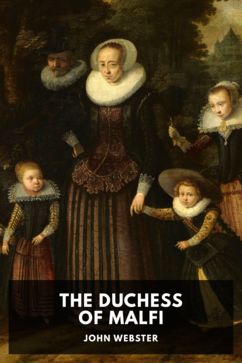
The Duchess of Malfi - John Webster
John Webster's The Duchess of Malfi is a wild, dark ride from the 17th century that still feels shockingly relevant. Forget stuffy period pieces—this is a play that grabs you by the collar and doesn't let go.
The Story
The Duchess is a young widow ruling her own lands. Her brothers, the Cardinal and Duke Ferdinand, want her to stay single so they can control her wealth. Defying them, she secretly marries Antonio, her kind and honest steward. They have several children in secret, managing to hide their happiness for a while. But her brothers are paranoid and hire a spy, the creepy Bosola, to watch her every move. When the truth comes out, Ferdinand's rage is volcanic. What follows is a brutal campaign of psychological torture, imprisonment, and ultimately, murder, as the brothers try to erase their sister's defiance. But revenge has a way of circling back, and no one in this story gets out clean.
Why You Should Read It
I love this play because it's so brutally honest about human darkness, yet finds glimmers of real light. The Duchess is an incredible character—vibrant, clever, and fiercely brave in her pursuit of love and autonomy. Her relationship with Antonio feels genuine and warm, which makes the horror that follows even more devastating. Webster's language is incredible. It can shift from beautiful, poetic declarations of love to the most visceral, grim imagery you can imagine. The famous line, "I am Duchess of Malfi still," delivered in the face of certain death, is one of the most powerful declarations of identity in all of literature. It’s a play about corruption, yes, but also about the defiant strength of the human spirit.
Final Verdict
This is perfect for anyone who loves a gripping, gothic-tinged thriller with complex characters. If you enjoy Shakespeare's tragedies like Hamlet or King Lear, but wish they were a bit more intense and focused on a formidable female lead, you'll find your next obsession here. It's also a great pick for book clubs—there's so much to talk about, from family dynamics and feminism to the sheer, chilling stagecraft. Just be prepared: it's a masterpiece, but it's not a cheerful one. You'll be thinking about it long after you finish.
This content is free to share and distribute. Feel free to use it for personal or commercial purposes.