
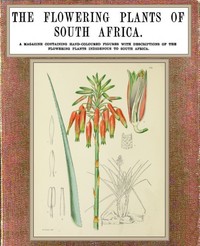
The flowering plants of South Africa; vol. 4 by I. B. Pole Evans
Let me tell you about a book that feels like finding a treasure map in your grandpa’s attic. The Flowering Plants of South Africa; Vol. 4 by I. B. Pole Evans isn’t your standard nature read. It’s more like a flip book of a lost world.
The Story
The "plot" here is really the journey of an obsessed botanist, I. B. Pole Evans, who wanted to document every stunning plant in South Africa before they disappeared under the crack of plow and pavement. Volume 4 focuses on a specific bunch of species—think weird succulents, spiky aloes, and delicate orchids that look like they’re from alien movies. But this isn’t just a list. Pole Evans caught them at a vanishing moment: villages were growing, farms were clearing land, and these flowers, some of them crazy rare, were getting pushed to the edge. Each image honors a living thing. There’s no real bad guy here—just time, expansion, and forgetfulness.
The book works like this: one page shows a painting of a flower (looks handmade, with a tiny brush), and the opposite page tells you where and when it was found. No plot twists, but there’s that secret suspense: will these plants outlast us? The plates are so vivid you can almost smell the dry grass and hear the African sun.
Why You Should Read It
Look, it’s not about trying to identify your houseplant. It’s about seeing the world button-sized. Every page asks: what did the San or Zulu people call this plant? How did they use it? But I. B. Pole Evans, like so many explorers back then, saw these lands through his own lens—scientific, admiring, but maybe also… a little possessive. Reading this now, I feel a clever kind of sadness. These flowers were strangers being put into a hardcover, all so someone 100 years later could wonder.
The art will knock you over. Each blossom is so detailed, you see the veins and the fuzz. And there aren’t smooth edits or photos—this is one person’s eye and hand, showing you every dangly bit. In a world of filtering and AI, I love that clumsy glory.
It got me thinking: how much has changed since 1920? Why are beautiful, hardy African plants seen as invasive when they pop up elsewhere? And why do we treat old botanical books as museum pieces when the stories they keep matter now?
Final Verdict
The Flowering Plants of South Africa; Vol. 4 is perfect for old-book sniffers, art junkies, and angry conservationists. But also good for that friend who always asks "do you think it’s too late?" the one who feels the weight of roads and malls. Great for afternoon daydreams, because holding this thing sort of rests your soul. It’s an ode, a silence, a howl from a world on the edge. Grab it if you catch sight of it at a library sale—you won’t be able to put it down.
This is a copyright-free edition. You are welcome to share this with anyone.





Jessica Thompson
5 months agoInitially, I was looking for a specific answer, but the level of detail in the second half of the book is truly impressive. This should be on the reading list of every serious professional.